
 Download Brochure
Natural Silica Sand
- Primary mineral: Quartz
- Chemical formula: SiO₂
- Typically 95–99% SiO₂
- Common impurities:
- Fe₂O₃ (iron oxides)
- Al₂O₃
- CaO, MgO
Chemistry & Composition
- High melting point (~1700°C)
- Chemically inert with most metals
- High thermal expansion (major drawback)
- Poor thermal shock resistance
- No chemical bonding (purely physical grains)
Key Chemical Properties
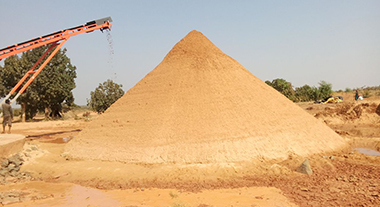
Resin-Coated Sand (RCS)
- Base sand (usually silica or ceramic)
- Coated with:
- Phenolic resin
- Furan resin
- Novolac resin - Resin binds grains on heating
- Excellent flowability
- Strong mould strength after curing
Base sand (usually silica or ceramic)
Key Chemical Properties
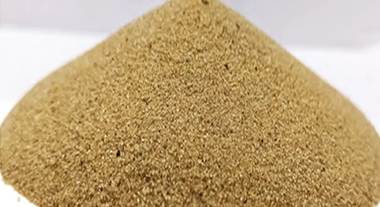
Ceramic Sand (Synthetic, High-Value Sand)
- Made from calcined bauxite, kaolin, or alumina-rich materials
- Main compound: Al₂O₃ (Aluminium Oxide)
- Minor components: SiO₂, Fe₂O₃, TiO₂
Chemical Nature
Not naturally occurring → manufactured under controlled chemistry
Key Chemical Properties
| Property | Business Meaning |
|---|---|
| High Al₂O₃ content | Stronger grains = premium pricing |
| High melting point (>1800°C) | Ideal for high-temperature casting |
| Uniform spherical grains | Better flow, fewer defects |
| Chemically inert | Doesn’t react with molten metals |
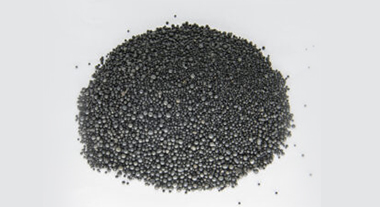
Quartz Sand (Silica Sand)
- SiO₂ (Silicon dioxide)
- Typically >95–99% purity
- High hardness
- High melting point (~1700°C)
- Chemically inert
- High thermal expansion
Chemistry & Composition
Key Chemical Properties
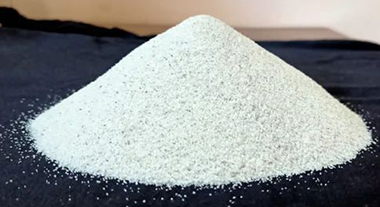
Chromite Sand (Chromium Ore Sand)
- Main mineral: FeCr₂O₄ (iron chromium oxide)
- Spinel structure
- Often contains MgO and Al₂O₃ as solid solutions
Chemistry & Composition
- Very high refractoriness (~2150–2200°C)
- Low thermal expansion
- Excellent resistance to metal penetration
- Basic sand→ reacts favorably with acidic slags
- High thermal conductivity (faster heat dissipation)
Key Chemical Properties
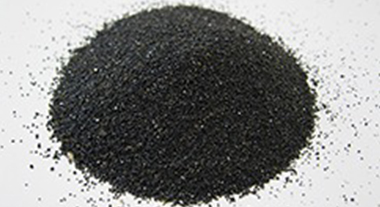
Olivine Sand
- (Mg,Fe)₂SiO₄ → Magnesium-Iron Silicate
- Rich in MgO and FeO
Chemical Composition
Key Chemical Properties
| Property | Industrial Impact |
|---|---|
| High MgO content | Absorbs heat efficiently |
| Low silica | Safer for workers |
| High thermal conductivity | Faster cooling |
| Reacts with CO₂ | Environmental benefit |
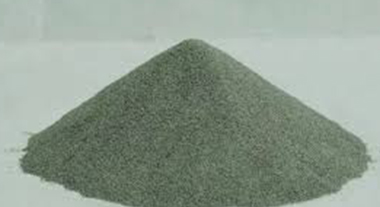
Zircon Sand
- Main compound: ZrSiO₄ (Zirconium Silicate)
- Extremely pure natural mineral
- Often contains trace Hf (hafnium)
Chemical Composition
Key Chemical Properties
| Property | Why Buyers Care |
|---|---|
| Very high melting point (~2550°C) | No deformation in extreme heat |
| Low thermal expansion | Prevents cracking |
| Chemically inert | No metal-sand reactions |
| High density | Excellent mold strength |
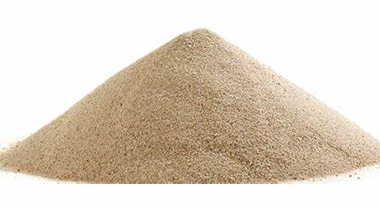
Product Chemical Comparison Table
| Property | Quartz (Silica) Sand | Ceramic Sand | Resin-Coated Sand | Chromite Sand | Olivine Sand | Zircon Sand |
|---|---|---|---|---|---|---|
| Main Chemical Composition | SiO₂ | Aluminosilicates (Al₂O₃–SiO₂) | SiO₂ or ceramic sand + phenolic/furan resin | FeCr₂O₄ (spinel) | (Mg,Fe)₂SiO₄ | ZrSiO₄ (Zirconium silicate) |
| Silica Content | Very High (≥95–99%) | Medium (Controlled) | Depends on base sand | None (no free silica) | Very low | Low (Bound silica) |
| Melting Point / Refractoriness | High (~1700°C) | Very High (>1800°C) | Lower than base sand (Resin Decomposes) | Very High (~2150– 2200°C) | High (~1750°C) | Extremely High (~2550°C) |
| Thermal Expansion | High | Very Low | Low–medium (resin restricts expansion) | Low | Low | Extremely Low |
| Chemical Reactivity | Inert with most metals | Chemically inert | Resin reacts on heating (polymerization) | Basic; reacts with acidic slags | Reacts with acidic slags | Highly inert |
| Thermal Stability | Moderate | Excellent | Limited by resin degradation | Excellent | Very good | Exceptional |
| Resistance to Metal Penetration | Low | High | Very High | Very High | Moderate | Very High |
| Gas Evolution on Heating | None | Negligible | Moderate–high (Resin Burnout) | Negligible | Very Low | Negligible |
| Health-Related Chemistry | High free silica (silicosis risk) | Low free silica | Depends on base sand + resin fumes | No Free Silica | No free silica | Very low free silica |
| Oxide Impurities Sensitivity | High (Fe₂O₃ critical) | Low | Depends on base sand quality | Moderate | Moderate | Very sensitive |
| Environmental Chemical Impact | Moderate–high | Low | Higher (VOC emissions) | Low–Moderate | Low | Low |
| Reusability (Chemical Stability) | Medium–low | Very high | Low | High | Medium | High |
